

Why Biotechnology Life Matters For Personal Growth

Life feels a bit different these days. It is not just about the gadgets in our pockets or how fast our internet is. Something deeper is happening. We are watching the very foundation of how we exist change. This is the world of biotechnology life, and it is more than just a buzzword for scientists in white coats. It is about how we understand our bodies, how we plan our futures, and how we might actually slow down the clock of aging. For a long time, we thought of biology as something that just happened to us.
Table of Contents
You were born with certain genes, you lived your life, and you got old. But the script is being rewritten. We are moving into an era where we can participate in our own biological design. This has massive implications for personal development. If you knew you could live a healthy life until 100 or 110, how would that change your career? How would it change your relationships or the way you learn? These are not hypothetical questions for the distant future. They are being asked now in research labs and business schools across the globe.
Understanding the Science of Staying Young
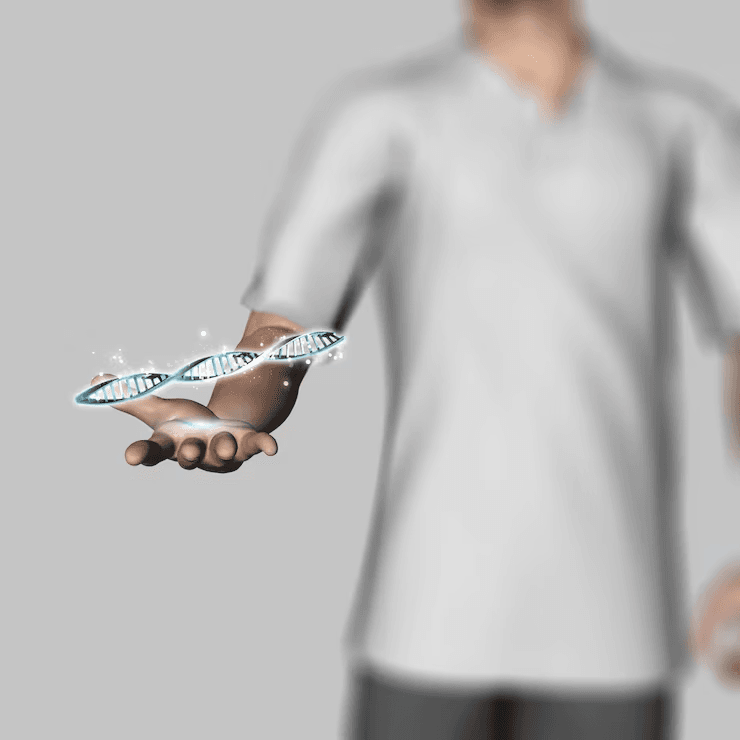
One of the most talked-about parts of this field is cellular rejuvenation. For a long time, aging was seen as an inevitable breakdown. Your body just wore out like an old car. But researchers are starting to see it differently. They see aging as a process that can be managed or even reversed. Companies are working on ways to reprogram cells so they act like they did when you were twenty. This is not about some magic potion or a fountain of youth. It is about hard science, specifically partial epigenetic reprogramming.
This is a mouthful, but it basically means telling your cells to remember their younger state. It is a bit unsettling if you think about it too much, but it is also incredibly hopeful. Imagine a world where the diseases of old age are not just treated but prevented because the cells themselves remain healthy.
This is the heart of what many call the biotech revolution. It is not just about fixing what is broken; it is about keeping the system running at a high level for much longer than nature intended. This shift changes the way we look at our own potential. When we talk about growing as people, we usually mean our minds or our skills. But now, we have to think about growing our biological capacity too.
The Business and Education of the Future
Because this field is moving so fast, the way we prepare for careers is changing. You see this in places like Harvard or the University of Indianapolis. They are creating programs that mix science with business. The MS/MBA in Biotechnology is a response to the fact that we need people who understand the lab but also understand how to get these tools to the public. In Texas, the state has become a major hub for life science research.
They are pouring money into buildings and labs because they know this is where the next big economic shift is coming from. It is no longer enough to just be a good scientist; you have to know how to navigate the ethics and the economics of life-altering tech. For students and professionals, this means a new kind of career path. It is a path that requires a deep understanding of what it means to be human while also mastering the technical details of genetic engineering and molecular biology.
This is not just a trend; it is a permanent change in our professional world. The demand for people who can bridge the gap between a Petri dish and a boardroom is higher than it has ever been.
Why Personal Development Needs Science
We usually keep personal development and science in separate boxes. One is for journals and meditation, and the other is for microscopes and data. But biotechnology life is forcing those boxes to merge. If we can optimize our biology, our ability to grow as people increases. Think about brain health. If biotech can help us maintain cognitive function well into our later years, our period of peak creativity and wisdom is extended.
We can spend decades more learning new languages, starting new businesses, or mentoring others. This changes the timeline of a human life. We are used to a linear path: learn, work, retire, fade away. That path is becoming obsolete. Instead, we might see cycles of learning and working that repeat over a much longer span. This is where the real personal growth happens. It is about managing a life that is longer and potentially more complex than any of our ancestors could have imagined. It requires a new kind of mental toughness and a different way of planning for the long term.
| Focus Area | Traditional Approach | Biotech Approach |
| Aging | Managing symptoms and decline | Cellular reprogramming and prevention |
| Health Data | Annual checkups and basic labs | Continuous monitoring and genetic insights |
| Treatment | One-size-fits-all medications | Personalized medicine based on biology |
| Education | Fixed degrees in single fields | Interdisciplinary science and business paths |
The Ethics of Life as Surplus
There is a darker side to this, or at least a more complicated one. Scholars have written about the concept of “Life as Surplus.” This is the idea that in our modern era, life itself has become a commodity. When we can engineer cells and sell genetic information, what happens to our sense of self? Is our biology just another thing to be traded on the market? These are the kinds of things that make people uneasy. It is one thing to take a pill for a headache; it is another to change the way your DNA expresses itself.
We have to ask who gets access to these technologies. If only the wealthy can afford cellular rejuvenation, we risk creating a world where biological inequality is as real as financial inequality. This is a huge concern for the future of society. As we push the boundaries of what is possible, we have to make sure we are not leaving the majority of people behind. Personal development in this context isn’t just about making ourselves better; it’s about making sure the way we use science is fair and helpful for everyone.
Real World Impact: Facilities and Growth
You can see the physical evidence of this shift everywhere. Universities are building massive new centers, like the Center for Biotechnology and Life Sciences at the University of Rhode Island. These are not just classrooms; they are high-tech hubs with aquariums, genomics centers, and research labs that look like something out of a movie. These buildings are where the future is being built. When you see a $90 million building dedicated to this research, you realize how much is at stake. These facilities are the birthplaces of the tools that will eventually become part of our daily lives.
They are where the next generation of researchers will figure out how to solve the biggest health challenges we face. For those of us looking from the outside, it is a sign that the world is betting big on the merger of life and technology. It is a clear signal that the way we live is going to keep changing, and we need to be ready for it.
Practical Steps for Your Biological Future
So, what do you actually do with all this information? You don’t have to be a scientist to start thinking about biotechnology life. You can start by paying closer attention to your own biological data. Wearable tech is a basic entry point. It gives you a window into how your body is functioning in real-time. Beyond that, it is about staying informed. The science is moving so fast that what was true five years ago might be outdated today.
Reading up on how nutrition and lifestyle impact your gene expression (epigenetics) is a practical way to use this knowledge. You can’t reprogram your cells in a lab yet, but you can change how your body reacts to the world through your choices. This is the intersection of science and personal responsibility. We have more power over our health than we ever thought, and as biotech advances, that power will only grow. It is an exciting time to be alive, but it also requires us to be more proactive about our own well-being.
FAQ: Common Questions About Biotech and Life
Is biotechnology only for curing diseases?
No, it has moved way beyond that. While curing disease is a huge part of it, biotechnology is also focused on optimization and prevention. It is about making the human body more resilient and helping us stay healthy for much longer than we used to. It is as much about performance and longevity as it is about medicine.
Will cellular rejuvenation be available to everyone?
That is the big question. Right now, much of this tech is in the early stages and is very expensive. However, as with most technology, the goal is to make it more accessible over time. The ethical debate about fairness and access is a major part of the conversation in the scientific community right now.
How does this impact my career?
If you are in a field like healthcare, tech, or business, the impact is direct. But even if you aren’t, the fact that people are living longer and staying healthier means you might have a much longer career than you planned. This might mean you need to be more flexible and willing to learn new things throughout your entire life, rather than just in your twenties.
Is it safe to change our biology?
This is why there are so many regulations and ethics boards involved in biotech. Every new advancement goes through years of testing to ensure it is safe. There are always risks with new tech, but the goal of biotechnology is to improve life, not to cause harm. We have to trust the process while remaining critical and informed.
Conclusion: Embracing the Bio-Tech Future
The world of biotechnology life is not something that is happening off in a corner. it is the new reality for all of us. It is changing the way we think about our bodies, our careers, and our very futures. It is a lot to take in, and it is okay to feel a bit overwhelmed by how fast things are moving. But there is also so much reason to be hopeful. We are gaining the tools to live better, healthier, and more productive lives.
The key is to stay curious and involved. Personal development is no longer just about your mind; it is about your entire biological existence. As we move forward, the line between what is natural and what is engineered will continue to blur, but our goal remains the same: to live the best life we possibly can. We are the first generation that gets to play a truly active role in our own biological evolution. That is a massive responsibility, but it is also a pretty incredible opportunity. Let’s make sure we use it well.
