

Celebration of Life: A Guide to Honoring Love and Legacy

When we lose someone we love, the world seems to tilt on its axis. The traditional approach to death has long been rooted in solemnity, black attire, and hushed whispers. However, a profound shift is occurring in how we navigate the landscape of loss. More and more, people are choosing to honor their loved ones through a celebration of life. This transition from mourning a death to celebrating a journey is not just a change in terminology; it is a deep, psychological shift that prioritizes the impact of a person’s existence over the finality of their departure.
Table of Contents
You might be standing at a crossroads right now, wondering how to best honor a life that was vibrant, complex, and full of love. A celebration of life offers you the freedom to step outside the rigid boundaries of tradition. It allows you to tailor an event that feels as unique as the person it honors. In this comprehensive guide, we will explore the depths of what it means to celebrate a life, how it aids the grieving process, and the practical steps you can take to create an unforgettable tribute.
Understanding the Difference: Funeral vs. Celebration of Life
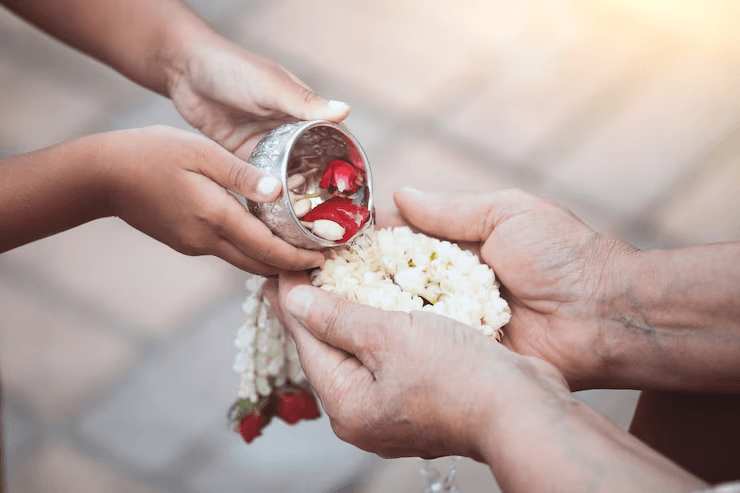
To plan a meaningful event, it is essential to understand the fundamental differences between these two types of services. While both aim to acknowledge a death, their tone and focus differ significantly. A funeral is often a religious or cultural ritual with a structured liturgy, focusing on the sanctity of the soul and the weight of the loss. In contrast, a celebration of life is a personal, flexible event that centers on the personality, achievements, and relationships of the individual.
Think of it this way: a funeral is often for the deceased, focusing on their final transition, while a celebration of life is for the living, focusing on the legacy left behind. This does not mean that sadness is absent. On the contrary, sadness is a vital part of love. But in a celebration, sadness is invited to sit at the table alongside joy, laughter, and storytelling. It creates a space where you can say, He lived well, rather than just He is gone.
| Feature | Traditional Funeral | Celebration of Life |
| Primary Focus | The death and the afterlife | The life and the legacy |
| Atmosphere | Solemn, formal, and structured | Joyful, casual, and personal |
| Timing | Usually within days of death | Can be weeks or months later |
| Location | Funeral home or place of worship | Anywhere (parks, homes, galleries) |
| Dress Code | Traditional black or dark colors | Personalized (bright colors, sports jerseys) |
The Psychology of Joyful Remembrance
Why does the human spirit respond so powerfully to the idea of a celebration? Psychology suggests that rituals are essential for processing grief. They provide a container for our emotions. When that ritual focuses on the positive aspects of a person’s life, it can stimulate the release of oxytocin and dopamine, the brain’s feel-good chemicals, even in the midst of sorrow. This is not about masking pain; it is about finding a healthy way to integrate that pain into a larger narrative of love.
When you engage in Memorial Planning, you are actually engaging in a form of narrative therapy. You are choosing which stories to tell and which traits to highlight. This process helps you reconstruct your relationship with the deceased. Though they are no longer physically present, the celebration reinforces their continuing presence in your heart and community. It transforms a traumatic ending into a continuous story.
The Role of Community in Healing
Isolation is one of the most difficult aspects of grief. A celebration of life acts as a bridge, bringing people together in a shared experience of memory. When you gather, you realize that you are not alone in your loss. You hear stories you never knew, see photos you had never seen, and feel the collective warmth of a community that was touched by the same soul. This communal support is a vital pillar of Grief Support.
Creative Ideas for a Meaningful Celebration of Life
One of the most beautiful aspects of this type of event is that there are no rules. You are the curator of this experience. Here are several ways to infuse personality and meaning into the gathering:
1. The Venue: Beyond the Pews
Where did your loved one feel most alive? Was it in a lush garden, at a bustling coffee shop, or perhaps near the ocean? Choosing a venue that reflects their passions makes the event feel authentic. If they were an artist, host the event in a gallery surrounded by their work. If they were a gardener, a botanical park is the perfect backdrop. The environment sets the tone before a single word is spoken.
2. Themed Tributes
Themes can help guests understand the spirit of the day. If your loved one was a travel enthusiast, you could have a globe where guests sign their names and share a memory of a place they traveled together. For a music lover, a live band playing their favorite songs can turn the atmosphere from somber to celebratory. These themes act as touchstones, grounding the event in the reality of who they were.
3. Interactive Elements
Encourage guests to participate rather than just observe. You might have a memory wall where people can pin photos or handwritten notes. You could set up a video booth where friends can record short clips of their favorite funny stories. These interactive elements ensure that the celebration is a dynamic exchange of love rather than a static presentation.
Crafting the Narrative: The Power of Storytelling
The heart of any celebration is the stories we tell. When you are planning the program, think about the different facets of the person’s life. Invite speakers who represent different eras—a childhood friend, a colleague, a sibling, a grandchild. This provides a 360-degree view of their existence.
Instead of a formal eulogy, consider a storytelling circle. Let the microphone pass among the guests. These spontaneous, often humorous anecdotes are where the true essence of the person resides. It’s in the way they always burnt the toast, their infectious laugh during movies, or the quiet way they helped a neighbor. These are the small things that make a life huge.
Practical Logistics: A Step-by-Step Guide
While the focus is on emotion and memory, the success of a celebration depends on thoughtful organization. Here is a checklist to guide you through the process:
- Define the Tone: Decide if you want it to be a high-energy party, a serene gathering, or something in between.
- Set the Date and Time: Unlike funerals, these can be held weeks or even months later, allowing out-of-town guests time to plan their travel.
- Choose a Venue: Ensure it has the necessary facilities (seating, audio/visual equipment, accessibility).
- Send Invitations: Use digital platforms or physical cards. Be clear about the dress code—for example, Wear blue to honor her favorite color.
- Plan the Menu: Serve the deceased’s favorite foods. Whether it’s a taco bar or a high-tea service, food is a powerful way to connect.
- Curate the Media: Create a slideshow or video tribute. Ensure the music playlist is carefully selected to reflect different moods.
- Arrange for Keepsakes: Consider small mementos for guests to take home, like a packet of seeds, a favorite recipe card, or a customized bookmark.
The Aftermath: Continuing the Celebration
The event itself is a significant milestone, but the celebration of life doesn’t have to end when the guests go home. Many families find comfort in creating a digital legacy. This can be a dedicated website, a social media group, or a digital photo album where people can continue to add stories and photos as the years go by. This ensures that future generations can get to know their ancestors through the eyes of those who loved them most.
You might also consider an annual ritual. Perhaps every year on their birthday, you go to their favorite restaurant or donate to a cause they cared about. These ongoing acts of remembrance keep the love alive and transform the pain of loss into a motivation for good.
Frequently Asked Questions about Celebration of Life
What exactly is a celebration of life?
A celebration of life is a memorial event that focuses on the positive legacy and personality of a deceased individual. It is typically more casual and personalized than a traditional funeral, emphasizing joy and shared memories over mourning rituals.
When should a celebration of life be held?
There is no strict timeline. Some families hold it within a week of the passing, while others wait several months to allow for a larger gathering or to hold the event on a significant date, such as a birthday or anniversary.
Is it okay to laugh at a celebration of life?
Absolutely. Laughter is often a key component of these events. Sharing funny stories and celebrating the humor that the person brought into the world is a powerful way to honor them and support the healing process for everyone involved.
Can I have both a funeral and a celebration of life?
Yes, many people choose to have a private, formal funeral service shortly after the death and a larger, more public celebration of life at a later date. This allows for both the traditional rituals of mourning and the celebratory aspects of memorialization.
What should I wear to a celebration of life?
Unless a specific dress code is mentioned in the invitation, you should aim for business casual or smart casual. Many families encourage bright colors or clothing that reflects the interests of the deceased (such as a favorite sports team jersey).
Conclusion: A Legacy of Love
Choosing to host a celebration of life is a profound act of love. It is a declaration that the person’s impact on the world was so significant that it deserves to be honored with joy and gratitude. By focusing on the light they brought into your life, you are not ignoring the darkness of their absence; you are simply refusing to let that darkness have the final word.
As you plan this gathering, remember that there is no right or wrong way to do it. The most important element is authenticity. If it feels like them, then it is perfect. Lean into your community, trust your instincts, and allow the love you shared to guide your decisions. In doing so, you create a space for healing, a foundation for legacy, and a beautiful testament to a life well-lived.
If you are looking for more support on your journey through love and loss, explore our other resources on celebration of life topics. Let us help you navigate the complexities of the heart with grace and understanding. You don’t have to do this alone.
