The Truth About Bee/Marabou Stork Info on Relationship

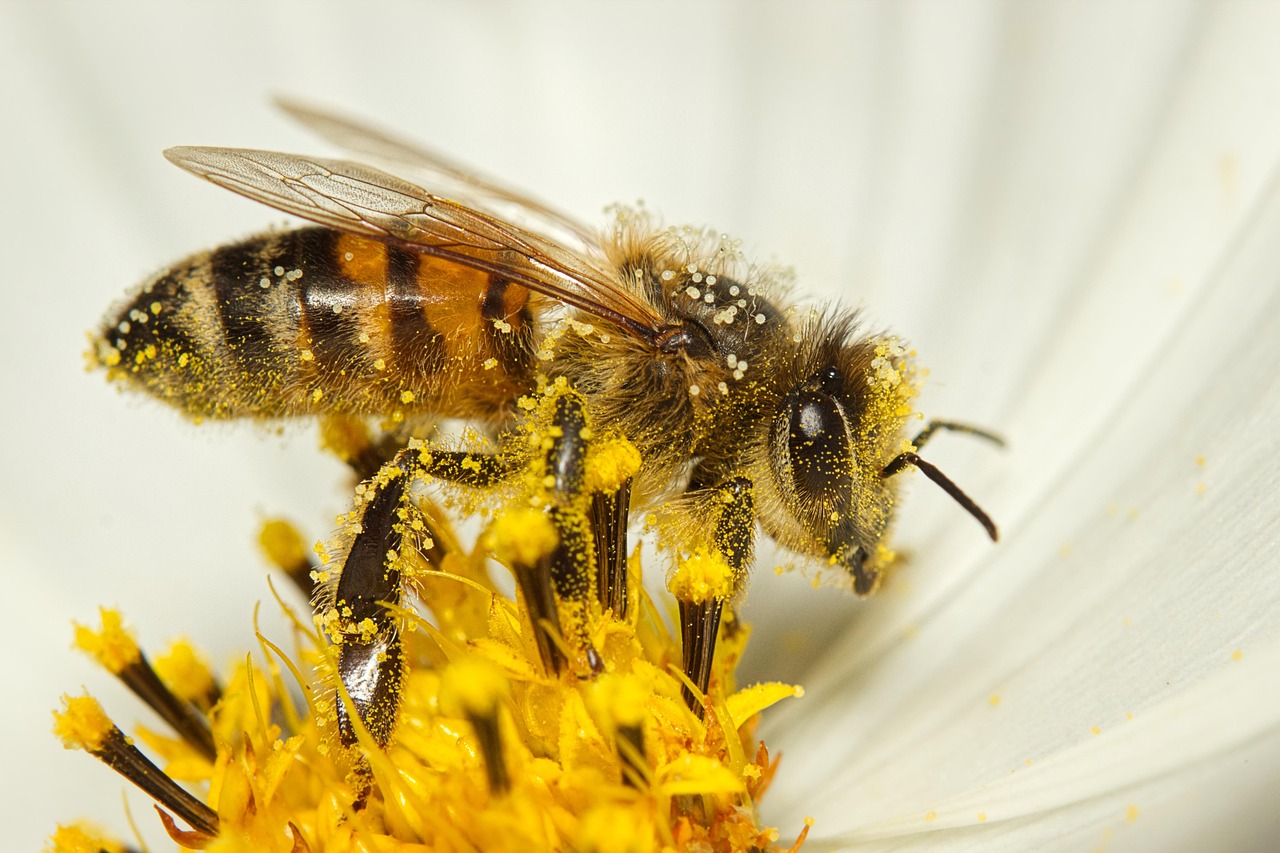
The bee/marabou stork info on relationship reveals a fascinating look at how nature manages one-sided partnerships. In biology, this specific interaction is classified as commensalism. The marabou stork, a large African bird known for its scavenging habits, uses its powerful beak to tear into animal carcasses that are too tough for smaller creatures to penetrate. Once the carcass is opened, bees arrive to feed on the fluids or tissue left behind. The bee gets a vital food source it couldn’t access alone, while the stork is neither helped nor harmed by the bee’s presence. read more about Love and Relationships
Table of Contents
Understanding the bee/marabou stork info on relationship
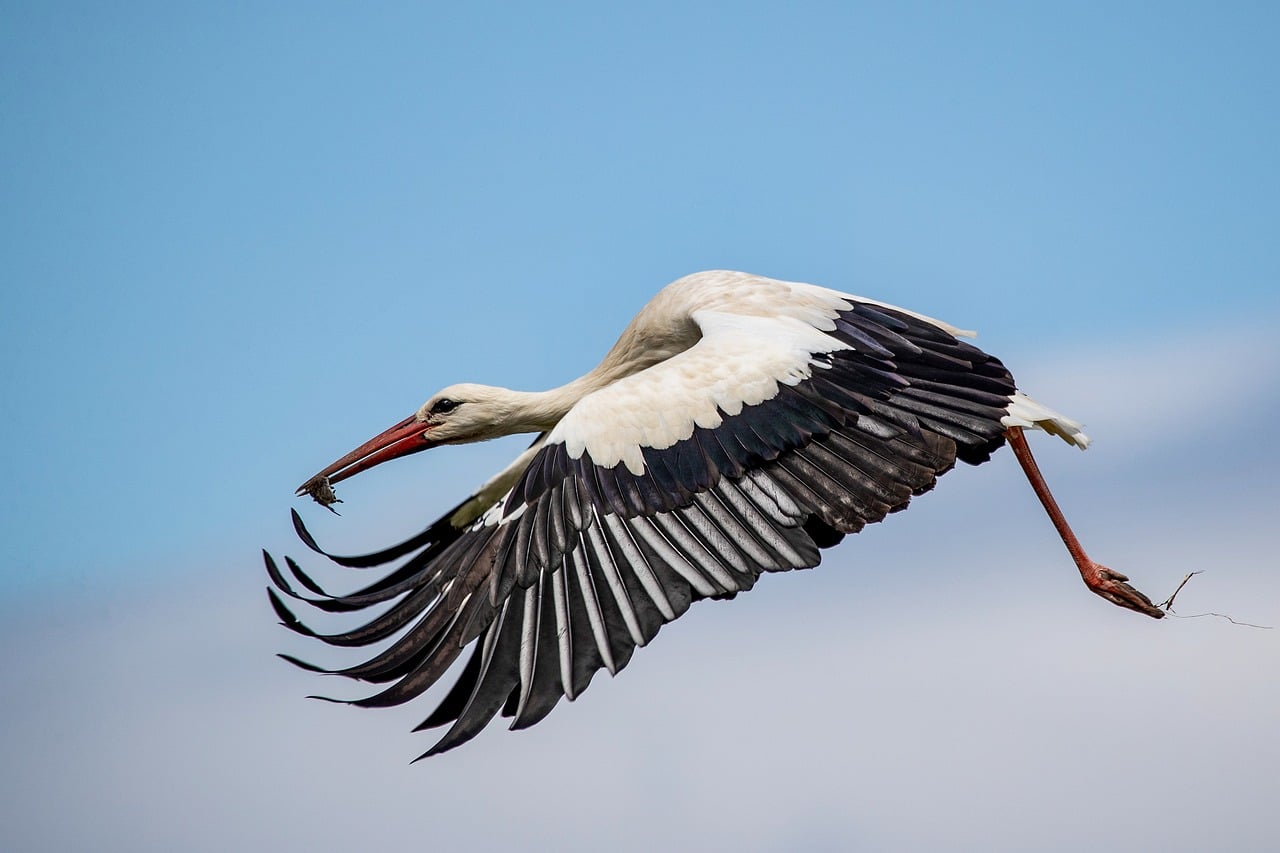
To truly grasp how these two creatures interact, we have to look at the mechanics of the savanna. The marabou stork is not a particularly friendly-looking bird. It is often called the undertaker bird because of its dark cloak-like wings and its habit of hanging around death. However, its role as a scavenger is vital for the environment. When it finds a carcass, its massive bill acts like a pair of heavy-duty shears. This is the first step in the bee/marabou stork info on relationship that most people miss.
Without the stork’s brute strength, the bees would be unable to reach the internal moisture they need. The bees are not there to attack the stork or to help it. They are simply opportunistic. They wait for the stork to do the heavy lifting, then they move in for the leftovers. In this dynamic, the stork is the host and the bee is the commensal. This is a far cry from mutualism, where both parties gain something from the deal. Here, the stork is completely indifferent to the bee’s existence. It is a relationship born of convenience rather than connection.
The Marabou Stork as the Natural Enabler
In the wild, the stork doesn’t choose to help the bee. It is just going about its business of survival. However, its actions create an opportunity for another species to thrive. This is why the bee/marabou stork info on relationship is such a popular example in ecology classes. It shows that some species can have a massive impact on others without any conscious intention. The stork provides the opening, and the bee takes the chance. This is a common theme in valuing different roles in life and nature.
Imagine a scenario where a lion leaves a kill behind. The skin is thick and tough. A honeybee might fly over it but find nothing it can use. Then, the marabou stork lands. With a few powerful thrusts of its beak, it breaks the hide. As the stork eats, it exposes the softer parts of the animal. Now, the bee can land and gather what it needs. The stork doesn’t mind the bee; the bee doesn’t bother the stork. They exist in the same space, but only one is actually providing the utility that makes the interaction work.
What This Relationship Teaches Us About Human Bonds
While nature doesn’t have a moral code, humans do. We often look at the bee/marabou stork info on relationship and feel a sense of unfairness. In our own lives, we are taught that relationships should be a two-way street. If you are always the stork—the one doing the heavy lifting, making the openings, and providing the resources—and your partner is always the bee, you might start to feel drained. Even if the “bee” isn’t actively harming you, the lack of reciprocity can become a weight over time.
It is worth asking if you are currently in a commensal relationship rather than a mutual one. In a commensal human bond, one person provides emotional stability, financial support, or social direction, while the other simply enjoys the benefits. This can work for a short time, perhaps during a crisis, but as a permanent state, it often leads to resentment. You might find yourself wondering how to balance the scales before the dynamic becomes too lopsided to handle. Unlike the stork, humans have feelings about being used.
Limits of the Stork and Bee Metaphor
We have to be careful when applying the bee/marabou stork info on relationship to our personal lives. In biology, commensalism is a neutral term. It isn’t good or bad; it is just a way that energy moves through an ecosystem. The stork has plenty of resources and loses nothing by letting the bee eat. In human relationships, our resources—time, energy, and love—are finite. If someone is always taking without giving back, the “host” eventually runs out of things to give.
There is also the fact that storks and bees do not communicate their needs. They don’t have a shared history or a future they are building together. If you find yourself in a situation where you feel like the stork, it is time for a conversation. You cannot expect a “bee” to change their nature unless they are aware that the current dynamic is hurting you. In nature, the stork can’t talk to the bee, but you can certainly talk to your partner. Communication is the one tool we have that the savanna lacks.
Evaluating Your Own One-Sided Dynamics
If you suspect your relationship has become a case of human commensalism, you can take action today. Start by identifying specific areas where the effort is lopsided. Are you the only one initiating difficult conversations? Are you the only one planning for the future? Acknowledge these patterns without immediately jumping to blame. Sometimes, people fall into the “bee” role because they have been allowed to, not because they are inherently selfish.
A Simple Check for Emotional Parity:
Ask yourself these three questions this week:
- If I stopped providing the “heavy lifting” (planning, emotional support, chores) for three days, what would happen?
- Does my partner notice when I am drained, or are they only focused on the resources I provide?
- When was the last time my partner acted as the “stork” for me?
If the answers suggest you are doing all the work, it might be time to set some boundaries. Tell your partner clearly: “I feel like I’ve been handling all the logistics lately, and it’s making me feel disconnected. I need you to take the lead on [specific task] this week.” This moves the relationship away from a wild instinctual pattern and back toward a human, mutual one. Nature is beautiful, but we are capable of much more than just accidental support.
Refining Your Perspective
Understanding the bee/marabou stork info on relationship helps us see that while one-sidedness is natural, it isn’t always the best path for people. We have the choice to move from being commensal to being mutual. By recognizing when we are taking too much or giving too much without a return, we can adjust our behavior to create something more sustainable than a savanna carcass-feeding cycle. It starts with awareness and ends with intentional action.
What is one area of your life where you feel you are doing all the heavy lifting for someone else?
Further reading
- pmc.ncbi.nlm.nih.gov Diversity and abundance of birds in Ethiopian dumpsites
- pmc.ncbi.nlm.nih.gov Ethno-ornithology and bird interactions along the vulture flyway
- pmc.ncbi.nlm.nih.gov Influence of growth stages on savanna bird diversity
Follow Juliet on Pinterest, Facebook, Instagram, Threads and Medium.
