

Finding Your Life Vest In A Chaotic World

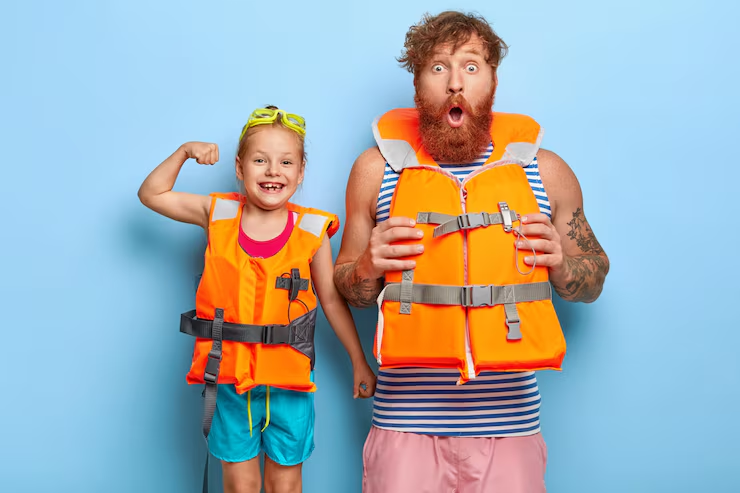
Life has a way of throwing you into the deep end when you least expect it. One day you are cruising along on calm waters, and the next, a sudden wave of stress or tragedy knocks you overboard. This is why having a life vest is so important. We aren’t just talking about the orange foam jackets you see on boats, though those are literally life-savers. We are talking about the systems, habits, and tools that keep you afloat when things get heavy.
Table of Contents
Think about the last time you felt overwhelmed. Maybe it was work, or a relationship, or just the state of the world. In those moments, it feels like you are treading water, and your legs are getting tired. A life vest is the thing that lets you stop kicking for a second so you can catch your breath and find your way back to shore.
The Different Kinds of Safety Vests

When we use the term life vest, it can mean a few different things depending on who you ask. For some, it is a medical necessity. For others, it is a piece of outdoor equipment. And for us here at Life The Love, it is a metaphor for personal resilience.
The Medical LifeVest
For people at risk of sudden cardiac arrest, a LifeVest for Sudden Cardiac Arrest is a literal wearable defibrillator. It monitors the heart constantly. If it detects a life-threatening rhythm, it delivers a shock to restore a normal beat. It is an incredible piece of technology that gives people a second chance at life. It is the ultimate safety net because it works even when the person wearing it is unconscious. It shows that sometimes, we need external systems to take over when our internal ones fail.
The Water Safety Life Jacket
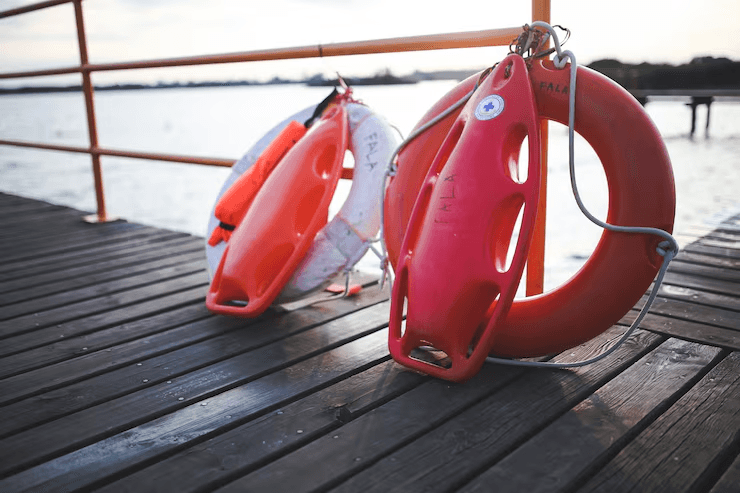
Then there is the classic Life Jacket. Whether you are kayaking, sailing, or just swimming in the lake, these are non-negotiable. They provide buoyancy. They keep your head above water. They are designed to be uncomfortable enough that you remember they are there, but reliable enough that you trust them with your life. There are many versions, from basic foam vests to high-tech CO2-inflated models used in aviation and professional search and rescue.
The Emotional Life Vest
In the world of personal development, your life vest is your support system. It is your daily meditation, your weekly coffee with a friend, your emergency savings account, and your boundaries. These are the things that prevent a bad day from turning into a bad month. If you don’t have these things in place, a single setback can pull you under.
Building Your Own Resilience Safety Net
You cannot wait for the storm to start sewing your life vest. You have to build it while the sun is shining. This is where most people get it wrong. They think they can handle anything until they suddenly can’t. Building a personal life vest involves a few key steps that anyone can take.
First, identify your triggers. What makes you feel like you are drowning? Is it financial stress? Social anxiety? Over-commitment? Once you know what the waves look like, you can design a vest that handles those specific conditions. For example, if financial stress is your trigger, an emergency fund is your flotation device. If it is loneliness, then a consistent social group is your buoyancy.
Second, gather your gear. Just as you would shop for safety gear before a boat trip, you need to gather tools for your mental health. This might mean finding a therapist, joining a gym, or starting a journaling habit. These aren’t just ‘nice-to-haves.’ They are the components of your safety system.
Kindness as a Buoyancy Aid
There is a beautiful concept called the Kindness Boomerang. The idea is that when you put kindness out into the world, it eventually makes its way back to you. This acts as a collective life vest for society. When you help someone else stay afloat, you are strengthening the community safety net that might one day catch you. Kindness creates a environment where everyone is looking out for each other, making the water a little less dangerous for everyone.
Think about a time someone did something small for you when you were having a hard day. Maybe they bought your coffee or just gave you a genuine compliment. That small act probably felt like a hand reaching out to pull you back to the surface. That is the power of a shared life vest strategy.
Comparing Types of Life Vests
Not all vests are created equal. Depending on your situation, you might need a different type of protection. Here is a quick breakdown of how different safety systems compare.
| Type of Vest | Primary Function | When to Use | Maintenance Required |
| Physical Life Jacket | Buoyancy in water | Boating, swimming, water sports | Check for tears and strap integrity |
| Medical LifeVest | Heart rhythm monitoring | Post-heart attack or high-risk patients | Daily battery charging and cleaning |
| Emotional Life Vest | Psychological resilience | High-stress periods or daily life | Consistent self-care and social connection |
| Financial Life Vest | Economic stability | Job loss or emergency expenses | Regular savings and debt management |
The Psychology of Staying Afloat
Why do some people seem to handle crises better than others? It is rarely because they are ‘stronger’ in a biological sense. It is usually because they have a better life vest. Resilience is not a personality trait; it is a set of behaviors. When you see someone who remains calm during a disaster, you are seeing the result of preparation. They have practiced their ‘safety drills.’ They know where their exits are. They have their gear ready to go.
This is why we focus so much on personal development here. It is about more than just feeling good. It is about survival. If you don’t take the time to maintain your life vest, it will fail you when you need it most. You wouldn’t go out on the ocean in a boat with a hole in it, and you shouldn’t go through life without a solid emotional foundation.
Practical Steps to Strengthen Your Safety Net
If you feel like your current life vest is a bit thin, there are things you can do right now to patch it up. You don’t need to change your entire life overnight. Small, consistent actions are what build real buoyancy.
- Audit your inner circle: Are the people around you pulling you up or dragging you down? A good life vest shouldn’t weigh you down.
- Set ‘Safety’ Boundaries: Learn to say no to things that drain your battery. Your energy is a finite resource.
- Keep your gear updated: What worked for you five years ago might not work now. Regularly check in with yourself to see if your coping mechanisms are still effective.
- Practice the Boomerang: Do one kind thing for someone else every day. It builds a reserve of goodwill that acts as a social safety net.
It is also worth looking at your physical environment. Does your home feel like a sanctuary or a source of stress? Sometimes, cleaning a messy room is the simplest way to put on a life vest for the day. It gives your mind one less thing to worry about.
Safety in the Modern Age
We live in a world that is constantly connected, which can be both a blessing and a curse. It means we have access to information and help at our fingertips, but it also means the noise of the world never stops. This constant stream of information can feel like a flood. In this context, your digital life vest might be a social media detox or a strict ‘no-phones’ rule after 8 PM. Protecting your attention is one of the most important things you can do for your mental health today.
Think about the professionals who use high-end safety gear. Pilots, coast guard members, and underwater divers don’t treat safety as an afterthought. They have checklists. They have backups for their backups. We should treat our mental and emotional well-being with the same level of professional respect. You are the pilot of your own life, and you deserve to have the best safety equipment available.
FAQs About Life Vests and Personal Safety
Do I really need a life vest if I am a good swimmer?
Yes. Even the best swimmers can get tired, cramped, or knocked unconscious. The same applies to life. Even the ‘strongest’ people can hit a point where they can’t keep going on their own. The life vest isn’t for when things are going well; it is for the moments when they aren’t.
What is the most important part of an emotional safety net?
Connection. Humans are social animals. Having at least one person you can be completely honest with is the most reliable buoyancy aid you can have. Isolation is like trying to swim with lead boots on.
How do I know if my life vest is working?
You will know it is working when a crisis happens and you find yourself able to think clearly instead of panicking. It doesn’t mean the crisis isn’t hard; it just means you aren’t drowning in it.
Can kindness really change my life?
Absolutely. Research into the Kindness Boomerang shows that people who perform regular acts of kindness have lower stress levels and better heart health. It is a biological win-win.
Conclusion: Don’t Leave the Shore Without It
At the end of the day, a life vest is about peace of mind. Whether it is a literal jacket for a boat trip or a metaphorical one for your mental health, it allows you to enjoy the journey without being paralyzed by fear. You can’t control the weather, and you can’t control the waves, but you can control what you are wearing when you hit the water.
Take some time today to look at your own safety systems. Are they in good shape? Do you have the support you need? If not, start building. It is the best investment you will ever make. Remember, the goal isn’t to avoid the water; it is to learn how to float, no matter how deep it gets. Stay safe out there, and keep building that buoyancy.
If you want to learn more about how to stay afloat in difficult times, be sure to check out our other resources on personal development. We are all in this together, and there is always room on the raft.
Keep an eye on our social media for daily tips on staying resilient. You can find us on Facebook, Instagram, and X. We love hearing your stories about how you have found your own version of a life vest.
