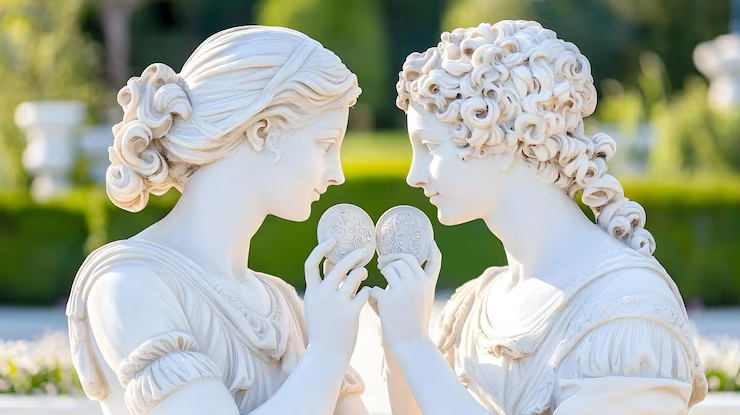

Different Types Of Love Language: Learn How To Use

Have you ever felt like you and your partner are speaking different languages, even when you’re both saying, “I love you”? Or maybe you’ve wondered why grand gestures sometimes fall flat, while a simple act of service can make your heart sing? I’ve been there, and it was actually during a particularly rough patch in my own relationship that I stumbled upon the concept of love languages.
Table of Contents
It was a true revelation, a lightbulb moment that helped me understand why some expressions of love resonated deeply, while others didn’t. This journey of discovery is something I’m passionate about sharing with you. Let’s explore how understanding the different types of love language can dramatically transform your relationships, bringing you closer to those you care about most.
Understanding the Foundation of Love Languages

The concept of “love languages” was introduced by Dr. Gary Chapman in his book, “The 5 Love Languages: The Secret to Love that Lasts.” Dr. Chapman’s theory posits that each of us has a primary way of expressing and receiving love, which he categorized into five distinct types. Understanding your own love language and those of your loved ones can be a game-changer. It’s like having a roadmap to each other’s hearts, making it easier to navigate the often-complex world of relationships.
The Five Different Types of Love Language: A Detailed Exploration
Now, let’s dive into the heart of the matter: the five different types of love language. Each one offers a unique window into how individuals prefer to give and receive love. As you read through them, think about which ones resonate most with you and those you care about.
1. Words of Affirmation: The Power of Verbal Appreciation
For those whose primary love language is Words of Affirmation, spoken or written expressions of love, appreciation, and respect are incredibly powerful. These words act as fuel for their emotional tank, making them feel cherished and valued.
- Key Characteristics:
- Value verbal acknowledgments of affection.
- Appreciate compliments, encouragement, and positive feedback.
- Feel loved when you express your feelings through words.
- May be sensitive to harsh or critical language.
- Examples:
- “I love you.”
- “You look amazing in that outfit.”
- “I really appreciate you taking the time to do that.”
- “I’m so proud of your accomplishments.”
- Sending a thoughtful text message or a handwritten note.
2. Acts of Service: Actions Speak Louder Than Words
If your love language is Acts of Service, you feel most loved when someone takes action to help you or make your life easier. It’s not about grand gestures, but rather the everyday things that show they care.
- Key Characteristics:
- Feel loved when someone helps with tasks or responsibilities.
- Appreciate practical assistance and support.
- Believe that actions speak louder than words.
- May feel overwhelmed or burdened by a lack of support.
- Examples:
- Doing the dishes without being asked.
- Running errands for your partner.
- Taking care of a chore they dislike.
- Offering to help with a project they’re working on.
- Preparing a meal after a long day.
3. Receiving Gifts: The Thought That Counts
For those who speak the love language of Receiving Gifts, it’s not about materialism. Instead, it’s about the thoughtfulness and effort behind the gift. These gifts are seen as tangible symbols of love and affection.
- Key Characteristics:
- Feel loved when receiving a thoughtful gift.
- Appreciate the symbolism and meaning behind the gift.
- Value the time and effort put into choosing a gift.
- May feel hurt or neglected if special occasions are forgotten.
- Examples:
- Bringing home their favorite treat.
- Giving a small gift that reminds them of a shared memory.
- Surprising them with a gift “just because.”
- Picking up something you know they need or want.
- Creating a handmade gift.
4. Quality Time: Undivided Attention

If Quality Time is your love language, you feel most loved when you have someone’s undivided attention. It’s about being fully present and engaged in shared moments, without distractions.
- Key Characteristics:
- Feel loved when spending dedicated, focused time together.
- Value meaningful conversations and shared activities.
- Appreciate being fully present, without distractions.
- May feel hurt or neglected by postponed dates or interrupted time.
- Examples:
- Having a meal together without phones.
- Going for a walk and talking.
- Engaging in a shared hobby.
- Planning a special outing or date night.
- Simply sitting together and enjoying each other’s company.
5. Physical Touch: The Language of Connection
For those whose primary love language is Physical Touch, appropriate physical contact is a powerful way to communicate love and affection. It’s about feeling connected and cherished through touch.
- Key Characteristics:
- Feel loved through physical affection.
- Appreciate hugs, kisses, hand-holding, and other forms of touch.
- Value physical closeness and intimacy.
- May feel isolated or unloved in the absence of physical contact.
- Examples:
- Hugging each other hello and goodbye.
- Holding hands while walking.
- Cuddling on the couch.
- Giving a back rub or massage.
- Simply sitting close to each other.
How to Determine Your Love Language
Discovering your love language can be a truly enlightening experience. You can start by reflecting on how you naturally express love to others. Often, the way you show love is also how you prefer to receive it. Here are a few ways to determine your love language and that of your loved ones:
- Take the online quiz on Dr. Chapman’s official website.
- Reflect on past experiences and identify what made you feel most loved.
- Observe how you express love to others.
- Pay attention to what you complain about or request most often in relationships.
- Read “The 5 Love Languages” book for a deeper understanding.
| Love Language | How You Might Express It | What You Might Crave |
|---|---|---|
| Words of Affirmation | Giving compliments, expressing love verbally | Hearing “I love you,” receiving encouraging words |
| Acts of Service | Doing chores, running errands for others | Having someone help you with tasks |
| Receiving Gifts | Giving thoughtful gifts, remembering special occasions | Receiving meaningful gifts, being surprised with presents |
| Quality Time | Planning special outings, engaging in shared activities | Having someone’s undivided attention, spending dedicated time together |
| Physical Touch | Hugging, kissing, holding hands | Receiving physical affection, feeling physically close |
Using Love Languages to Improve Your Relationships

Once you’ve identified your own love language and those of the important people in your life, you can start using this knowledge to strengthen your relationships. It’s about making a conscious effort to speak each other’s language, expressing love in ways that truly resonate.
- Communicate openly: Talk about love languages with your partner, family, and friends.
- Make an effort: Consciously try to express love in the other person’s primary love language.
- Be patient: It takes time and practice to learn a new language.
- Don’t neglect your own needs: Ensure your love language is being met as well.
- Remember the other languages: While focusing on the primary language is important, don’t completely neglect the others.
Frequently Asked Questions About Different Types of Love Language
What if my partner and I have different types of love language?
It’s very common for partners to have different love languages. The key is to learn each other’s language and make a conscious effort to express love in ways that resonate with each other. It’s a journey of understanding and compromise.
Can your love language change over time?
Yes, it’s possible for your love language to evolve or change over time, especially as you go through different life stages or experiences. It’s important to stay attuned to your own needs and communicate openly with your loved ones.
Is it possible to have more than one primary love language?
While most people have one dominant love language, it’s possible to appreciate and respond to multiple love languages. You might have a primary and a secondary language, or you might feel fulfilled by a combination of several.
How can understanding different types of love language improve my relationships beyond romantic partnerships?
The principles of love languages can be applied to all kinds of relationships, including friendships, family relationships, and even professional connections. By understanding how the people around you prefer to receive appreciation and support, you can build stronger, more fulfilling bonds.
Conclusion: Embracing the Language of Love
Understanding the different types of love language is a powerful step towards building deeper, more meaningful connections with the people you care about. It’s about learning to speak each other’s language, expressing love in ways that truly resonate, and appreciating the unique ways in which we all give and receive affection. By embracing the principles of love languages, you can unlock the secrets to stronger, more fulfilling relationships, enriching your life in countless ways. Remember, it’s a journey of discovery, and every step you take towards understanding your loved ones’ needs will bring you closer to them.
Now it’s your turn! What’s your primary love language? Share your thoughts and experiences in the comments below. Let’s learn from each other and continue this journey of understanding together. Don’t forget to share this article with your loved ones and explore the resources mentioned to deepen your understanding of love languages. Let’s create a world where everyone feels loved and appreciated for who they are!