
Why They Fail: What Kills Long-Distance Relationships

Long-distance relationships usually die when the mental bridge between two people collapses. It is not just about the physical miles. What kills long-distance relationships is a combination of losing a shared future, stagnant communication that feels like a chore, and the slow creep of resentment. When you stop planning for a day when you will be in the same city, the relationship loses its pulse. It becomes a series of scheduled calls rather than a living, breathing partnership.
Table of Contents
Many people think the lack of physical touch is the biggest hurdle. While that is hard, the true poison is uncertainty. If there is no clear finish line, the distance starts to feel like a permanent state. This creates a sense of hopelessness that wears down even the strongest bonds. You are no longer building a life together; you are just maintaining two separate lives over a screen. read more about Love and Relationships.
The Weight of the Unknown and What Kills Long-Distance Relationships
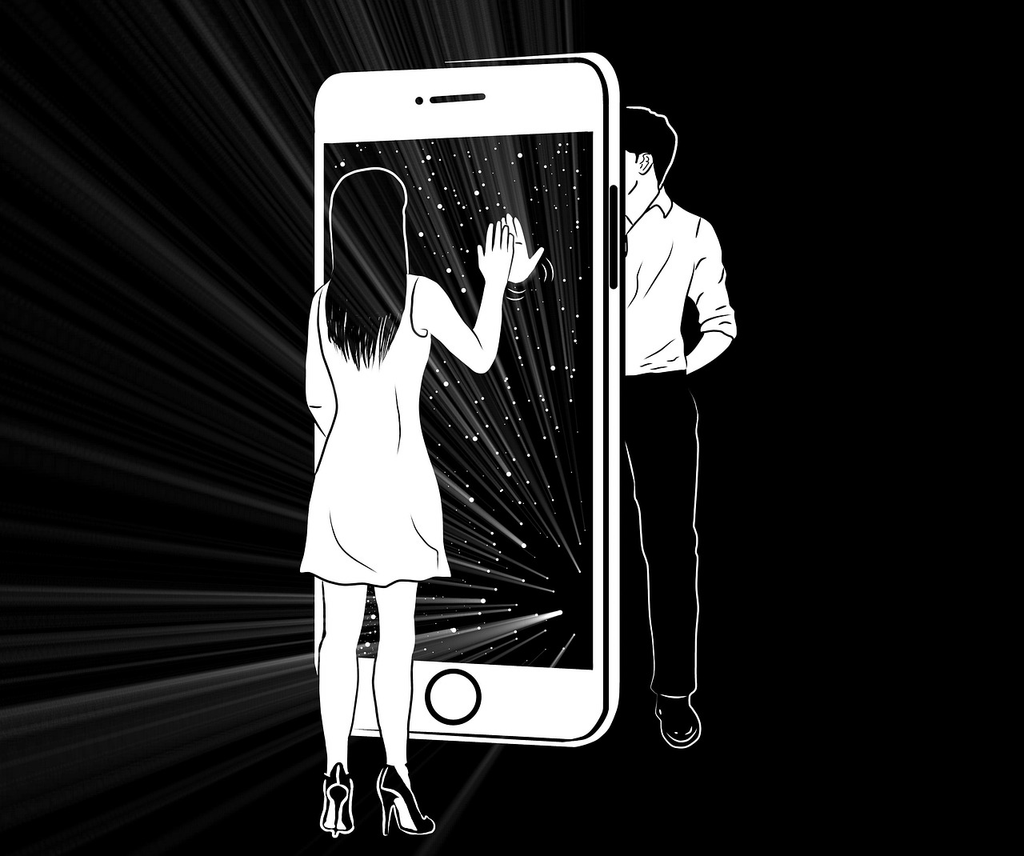
If you are asking what kills long-distance relationships, look at your calendar first. A relationship can survive almost any distance if there is a clear plan to end it. Without a closing the gap strategy, the distance feels heavy. One partner might feel they are doing all the waiting while the other is just living their life. This imbalance causes deep friction over time.
Another issue is the routine of the status update. You call at 7 PM and talk about what you ate for lunch. This is functional, but it is not intimate. Real intimacy comes from sharing thoughts, fears, and the mundane bits of life that do not fit into a scheduled call. When you only share the highlights, you stop knowing the real person on the other end of the line.
Research-backed tips for making a long-distance relationship work
Some research-backed tips for making a long-distance relationship work involve focusing on interdependence rather than just independence. While being your own person is good, you still need to rely on each other for emotional support. Crystal Jiang and Jeffrey Hancock (2013) noted that long-distance couples often have higher levels of intimacy because they are forced to communicate more deeply. The key is to lean into that depth rather than avoiding it.
Instead of just talking, try doing things together. Watch a movie at the same time or play an online game. These shared experiences provide a common ground that phone calls cannot match. It gives you something to talk about that is not just your separate daily lives. This creates a feeling of being in the same room even when you are thousands of miles apart.
Managing the Pressure of Long Distance Relationships
In many long distance relationships, couples feel they have to make every visit perfect. This is a common mistake that leads to burnout. When you only see the highlight reel of your partner, you forget how to live with the messy parts. You need to see them when they are grumpy or tired to truly understand them. If you only have vacation energy, the relationship isn’t grounded in reality.
Jealousy also thrives in the gaps of communication. When you don’t know the people your partner is hanging out with, your mind fills in the blanks with the worst-case scenarios. This is what experts sometimes call narrative drift. You start writing a story about their life that isn’t true. To stop this, introduce your partner to your local friends over video calls so they feel like part of your world.
Specific Dynamics: How to be happy in a lesbian long distance relationship

Understanding how to be happy in a lesbian long distance relationship often involves building a community that supports your specific bond. Sometimes, the lack of local visibility for your relationship can make the distance feel lonelier. It is helpful to find spaces where your relationship is validated. Focus on creating digital rituals that feel unique to your bond, such as sharing a specific playlist or an online journal.
Validation from your inner circle is also vital when the physical absence feels heavy. If your friends and family recognize the validity of your long-distance partner, it makes the time apart easier to handle. When the relationship feels invisible to the world around you, the internal pressure to keep it alive becomes much harder to manage. Be vocal about your partner and include them in your future plans when talking to others.
A Scenario of Disconnect
Imagine a couple named Alex and Sam. They talk for four hours every single night. At first, it is great, but soon Alex starts skipping the gym to stay on the phone. Sam feels guilty for wanting to go out with friends on a Friday night. They are over-communicating but under-living their individual lives. Eventually, the phone calls become a source of stress rather than joy.
This happens because they have substituted a real life for a digital one. A healthy relationship needs air to breathe. If the phone is the only thing connecting you, and that connection becomes a cage, the relationship will fail. They needed to set boundaries for their calls to ensure they remained a choice, not a chore. Quality of conversation matters far more than the number of minutes spent on a call.
One Step You Can Take Today
If you feel the distance is becoming too much, try this script with your partner today. Ask: What is one thing we do that feels like an obligation rather than a choice? If your nightly check-in feels like a job, change the frequency or the method. You could swap a long call for a series of voice notes throughout the day. This keeps the connection spontaneous and less like a scheduled meeting.
Another helpful question is to ask: When is the next time we will be in the same room? If you don’t have a date, set one. Even if it is months away, having a concrete point on the calendar changes the psychology of the wait. It turns an endless stretch of time into a countdown. This simple shift in perspective can save a relationship from the wear and tear of uncertainty.
The Limits of Distance Advice

It is important to be honest about what distance cannot fix. Distance will not fix a fundamental lack of trust or incompatible life goals. If one person wants to live in the city and the other wants the countryside, no amount of video calling will bridge that gap. Similarly, if there is a history of betrayal, the distance will act as a magnifying glass for those insecurities. Some things are not about the miles; they are about the foundation.
If you find that the distance is causing significant mental health strain or persistent distress, it is a good idea to talk to a licensed professional. A therapist can help you determine if the struggle is due to the distance or deeper issues in the partnership. Not every relationship is meant to survive the distance, and knowing when to let go is just as important as knowing how to stay.
Moving Forward with Your Connection
The distance is a test of your communication and your commitment to a shared future. It requires stamina and a clear plan to eventually be together. If you find yourself drifting, have the hard conversation about what the future looks like. Focus on quality connection rather than just quantity of time. Are the efforts you are putting in today bringing you closer to a life you both want?
Further reading
- pubmed.ncbi.nlm.nih.gov Predictors of satisfaction in geographically close and long-distance relationships.
- pubmed.ncbi.nlm.nih.gov Text messaging is linked with higher relationship satisfaction in long-distance.
- pubmed.ncbi.nlm.nih.gov Long-distance relationships: do membrane nanotubes regulate cell communication?
Follow Juliet on Pinterest, Facebook, Instagram, Threads and Medium.
